
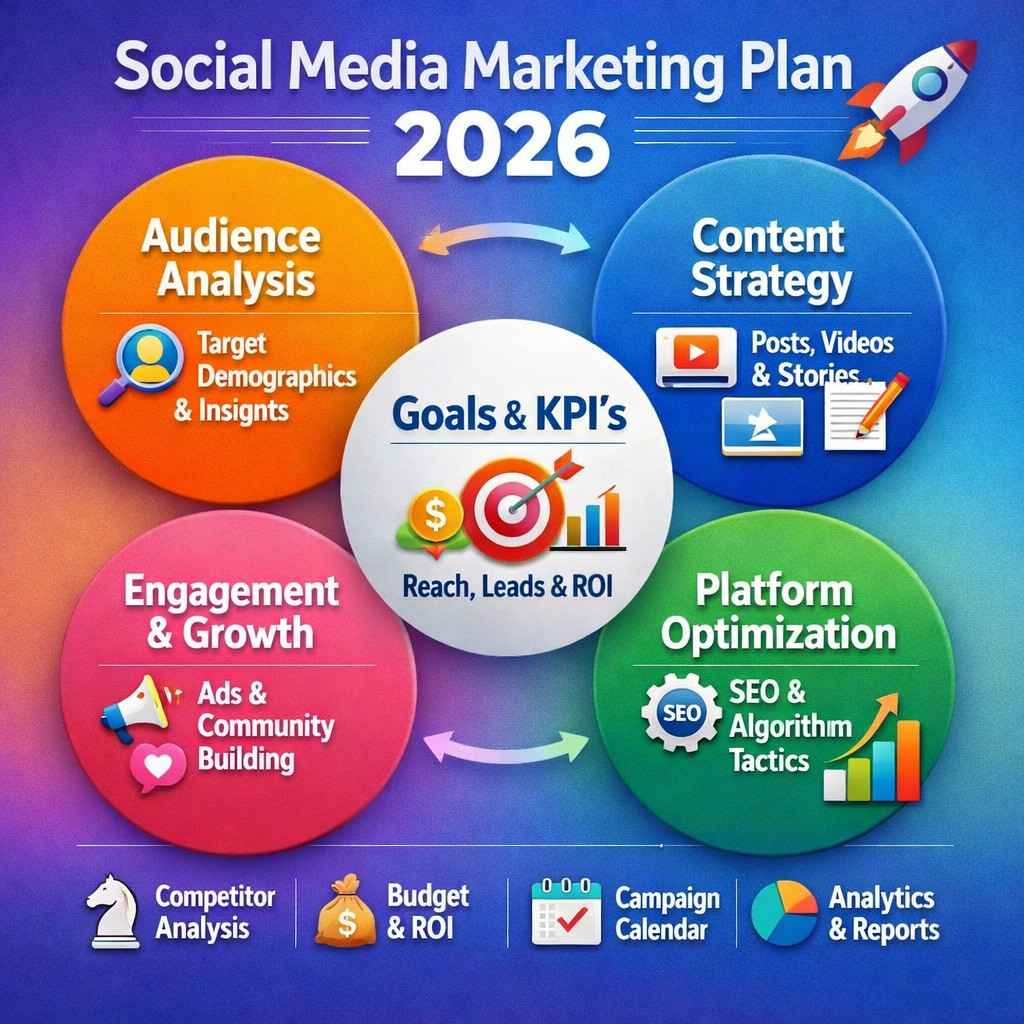
In 2026, social media is not just for entertainment. It is one of the strongest tools a small business can use to grow. If your business is not active online, you are losing customers to competitors who are.
But let’s be honest. Posting random pictures and copying trends will not build a real business. You need a clear and simple plan. A social media marketing plan for small business 2026 means knowing your goal, choosing the right platform, creating useful content, and tracking results. This guide explains everything in easy language so you can understand and apply it step by step.
Start with a Clear Goal
Before posting anything, ask yourself one serious question:
Why am I using social media?
Your answer must be clear. Not “to grow.” Not “for brand awareness.” Be specific.
For example:
- I want 25 new leads every month.
- I want 10 new customers per month.
- I want 1,000 website visitors monthly.
- I want to increase repeat customers by 20%.
When your goal is clear, your actions become focused. Without a goal, you will post content but get no direction. Write your goal down. Keep it simple. Check it every month.
Understand Your Target Customer
You cannot sell to everyone. You need to know exactly who your ideal customer is.
Ask these questions:
- How old are they?
- Are they students, business owners, working professionals?
- Where do they live?
- What problems do they have?
- What kind of content do they like?
For example, if you are targeting professionals or companies, then LinkedIn is a strong platform. If your business is related to fashion, food, fitness, or beauty, then Instagram or TikTok may work better. If you create long educational videos, YouTube is a good option. Choose based on your audience, not on what is trending.
Focus on One or Two Platforms
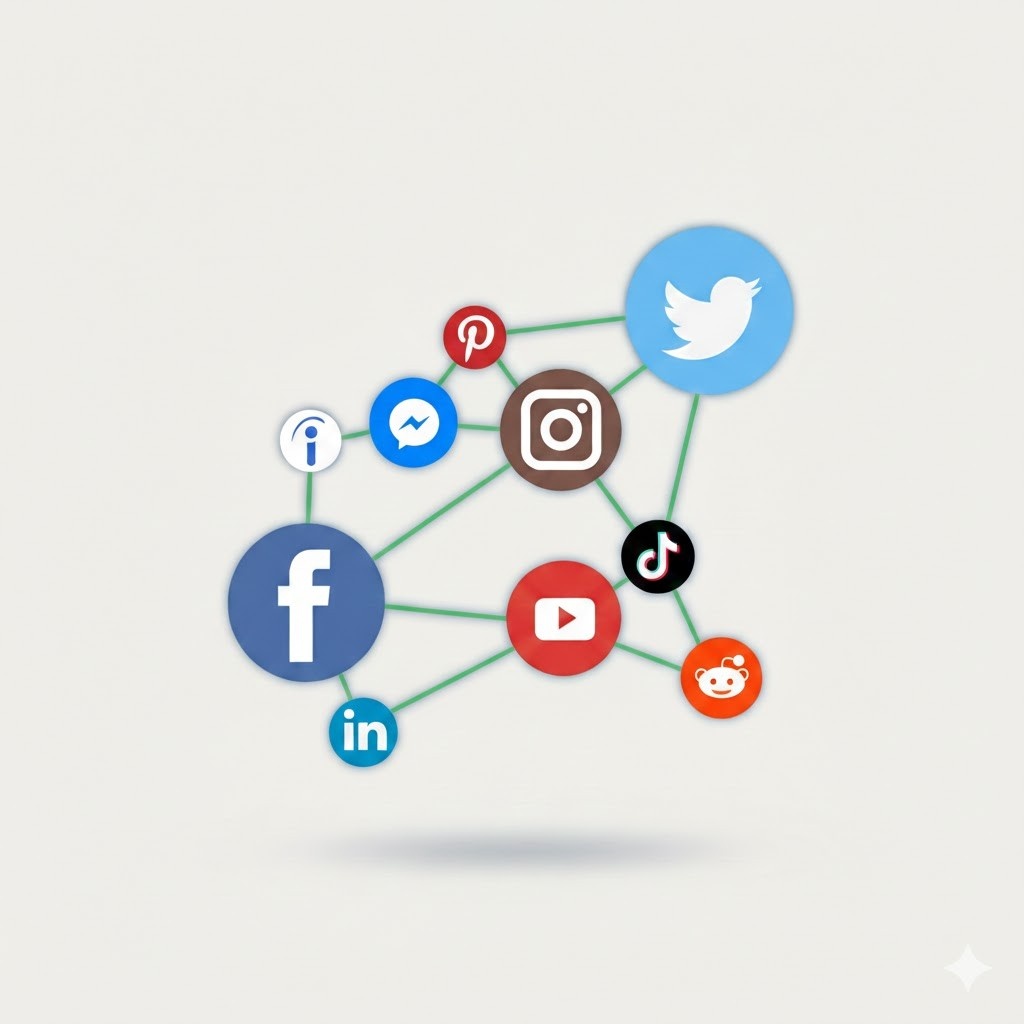
Many small businesses make a big mistake. They try to be everywhere. They open accounts on five platforms but stay active on none. This does not work. It is better to choose one or two platforms and use them properly.
For example:
- Local service business → Facebook + Instagram
- B2B services → LinkedIn
- Video-focused business → YouTube
Master one platform first. Then expand.
Create a weekly content plan
Do not post randomly. Make a simple weekly structure.
You can divide your content into five types:

Educational Content
Teach something useful related to your product or service.
Give simple tips.
Answer common questions.
People follow accounts that help them.
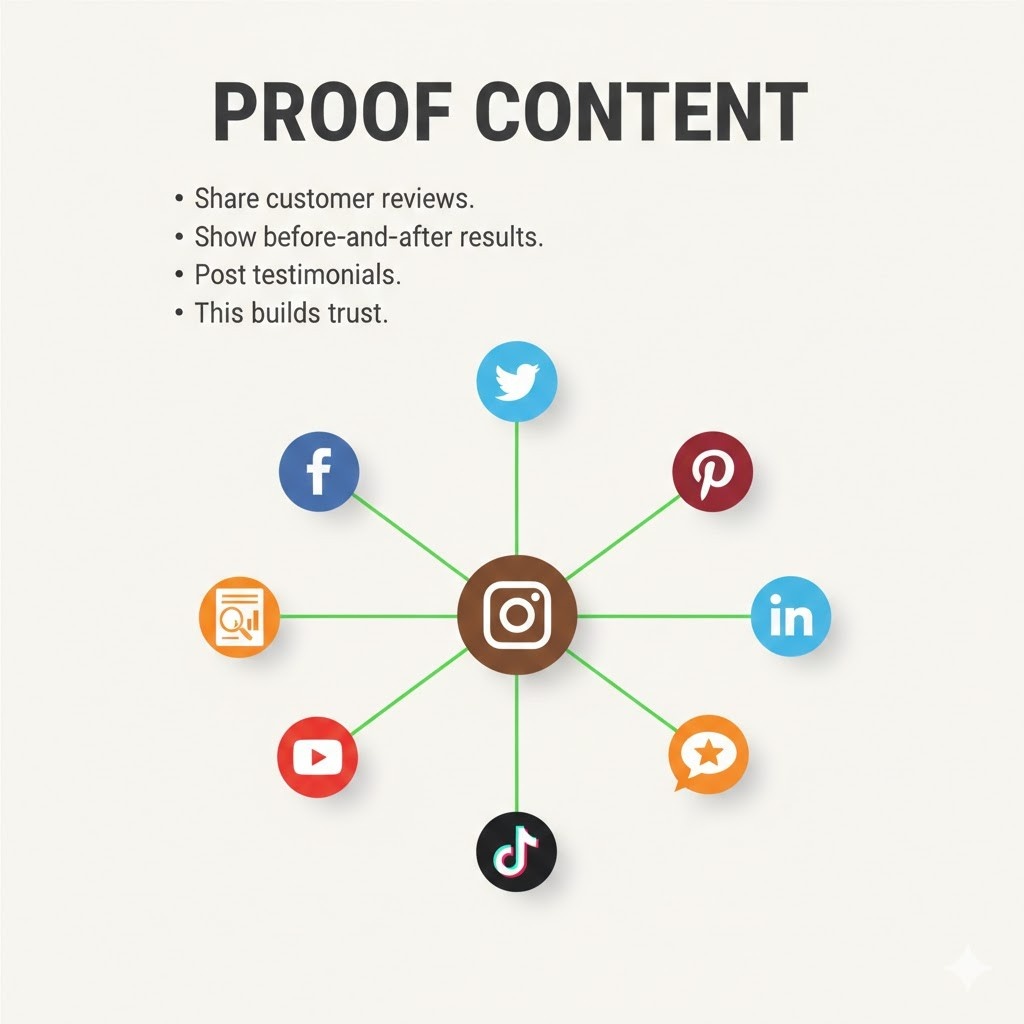
Proof Content
Share customer reviews.
Show before-and-after results.
Post testimonials.
This builds trust.

Personal Content
Show your team.
Share behind-the-scenes moments.
Talk about your journey.
People connect with real people.
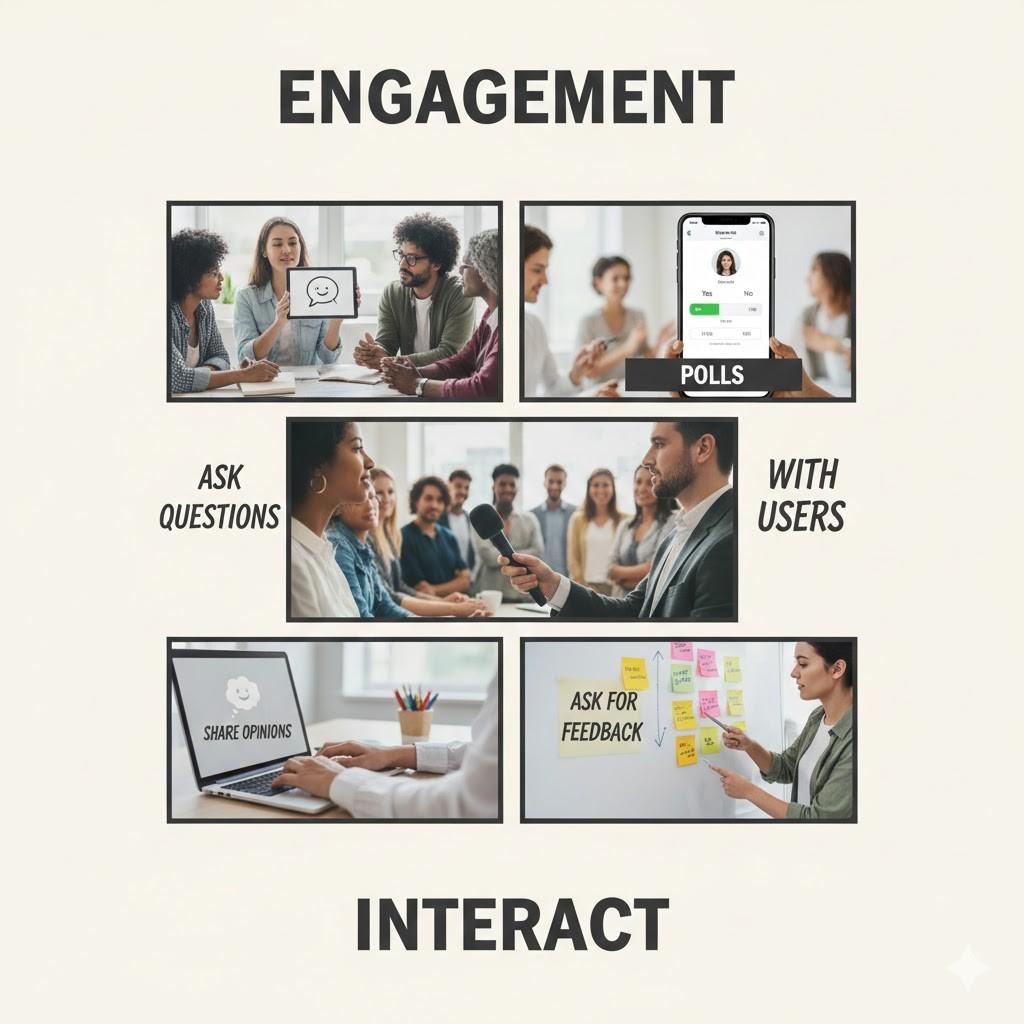
Engagement Content
Ask questions.
Create polls.
Share opinions and ask for feedback.
Engagement increases reach.

Offer Content
Share discounts or special offers. But do not post offers every day. Too many sales posts reduce trust. Plan your week. For example:
- Monday → Educational
- Wednesday → Proof
- Friday → Engagement
- Sunday → Offer
Keep it simple and consistent.
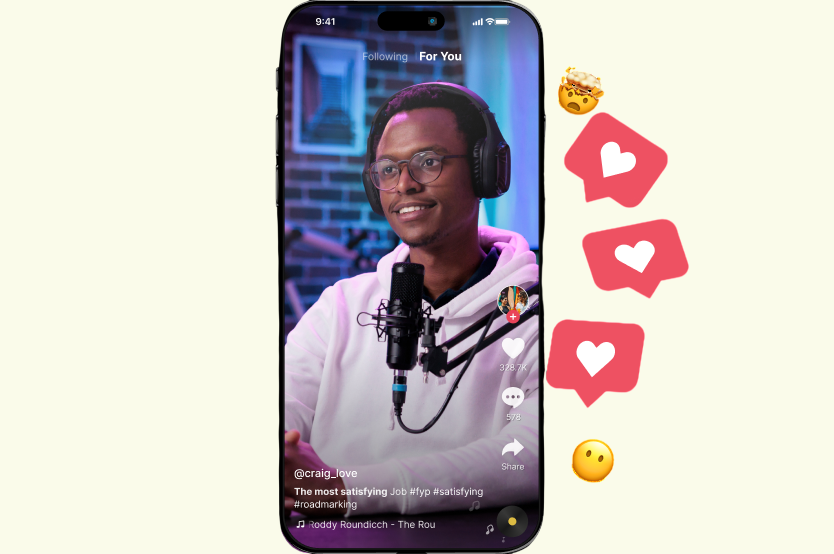
Short Videos Are Very Powerful for social media marketing
In 2026, short videos get more attention than long text posts. Make short videos of 30 to 60 seconds.
You can:
- Share one tip.
- Explain one service.
- Show a product demo.
- Answer one common question.
Start with a strong first few seconds. Speak clearly. End with a simple call to action like:
“Message us for details” or “Visit our website.” You do not need expensive equipment. Clear message is more important than perfect editing.
Build Trust, Not Just Followers
Many people focus only on followers. But followers do not equal customers.
Engagement and trust matter more.
Reply to comments.
Answer messages quickly.
Thank people for reviews.
Appreciate customer feedback.
When people feel respected, they trust you more. Trust leads to sales.
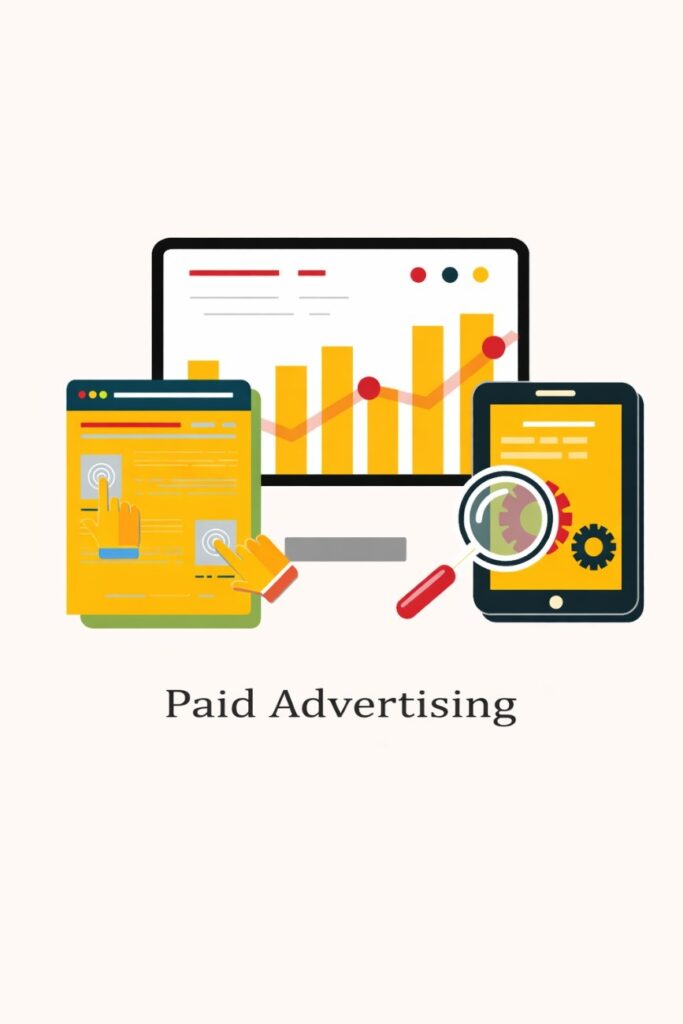
Use Paid Ads Smartly on social media
Organic posts are good, but reach can decrease anytime. That is why paid ads are important. You can use Facebook Ads and Instagram Ads to target specific audiences and increase conversions.
You can choose:
- Location
- Age
- Interests
- Job type
Start with a small budget. Test different ads. Check which ad gives the lowest cost per lead. Do not spend money without checking results.
Running ads effectively requires the right strategy and targeting. If you’re unsure how to start, our team at Vayam Digital can help you run high-performing ad campaigns.
Track Your Performance Every Week
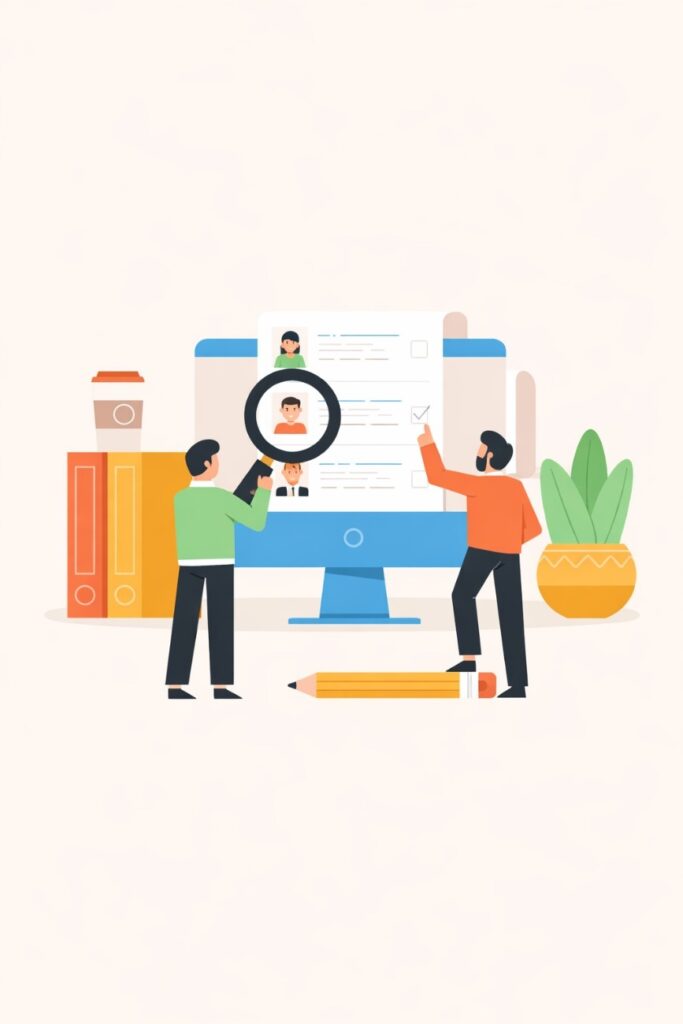
To measure your results effectively, use tools like Google Analytics and Meta Business Suite to track traffic, engagement, and overall performance of your social media marketing efforts.
Important metrics:
- Likes, comments, shares
- Website clicks
- Leads generated
- Cost per lead
- Follower growth
If something is not working for 3–4 weeks, change it.
Do not keep doing the same thing if it gives no results.
Connect Social Media to Your Website
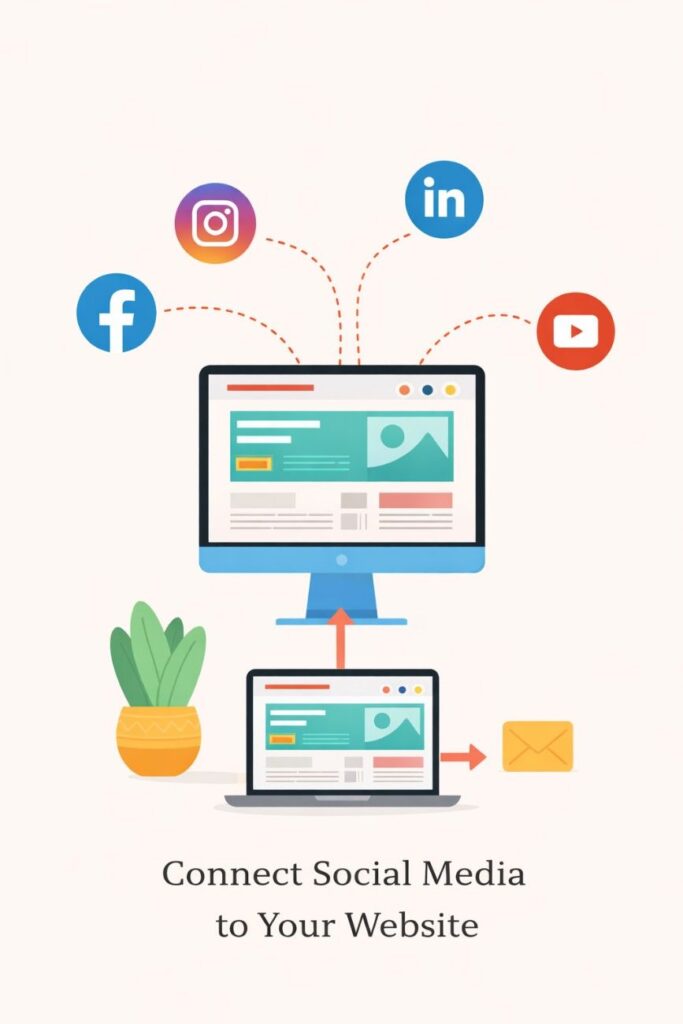
Your social media should send people to your website.
For example:
- Share blog links.
- Link to service pages.
- Add website link in your bio.
- Use call-to-action buttons.
Social media gets attention.
Your website converts visitors into customers.
Both must work together.
Stay Consistent on social media
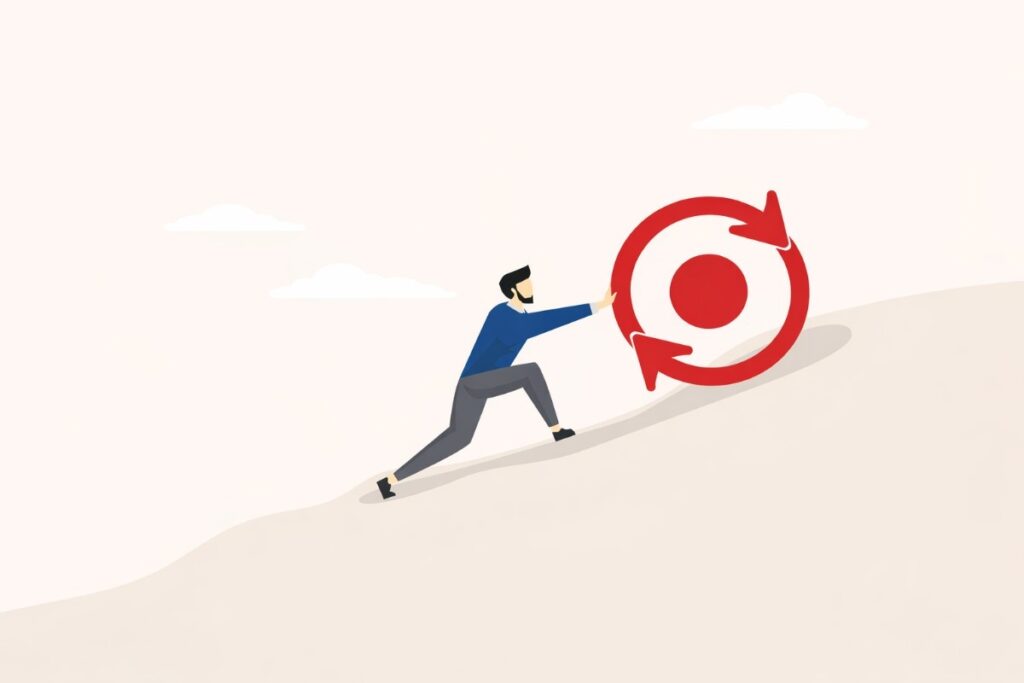
Consistency is more important than motivation.
Post regularly. Even 3 times per week is enough if you stay consistent.
Do not post daily for 10 days and then disappear for 2 months.
Growth takes time. Be patient.
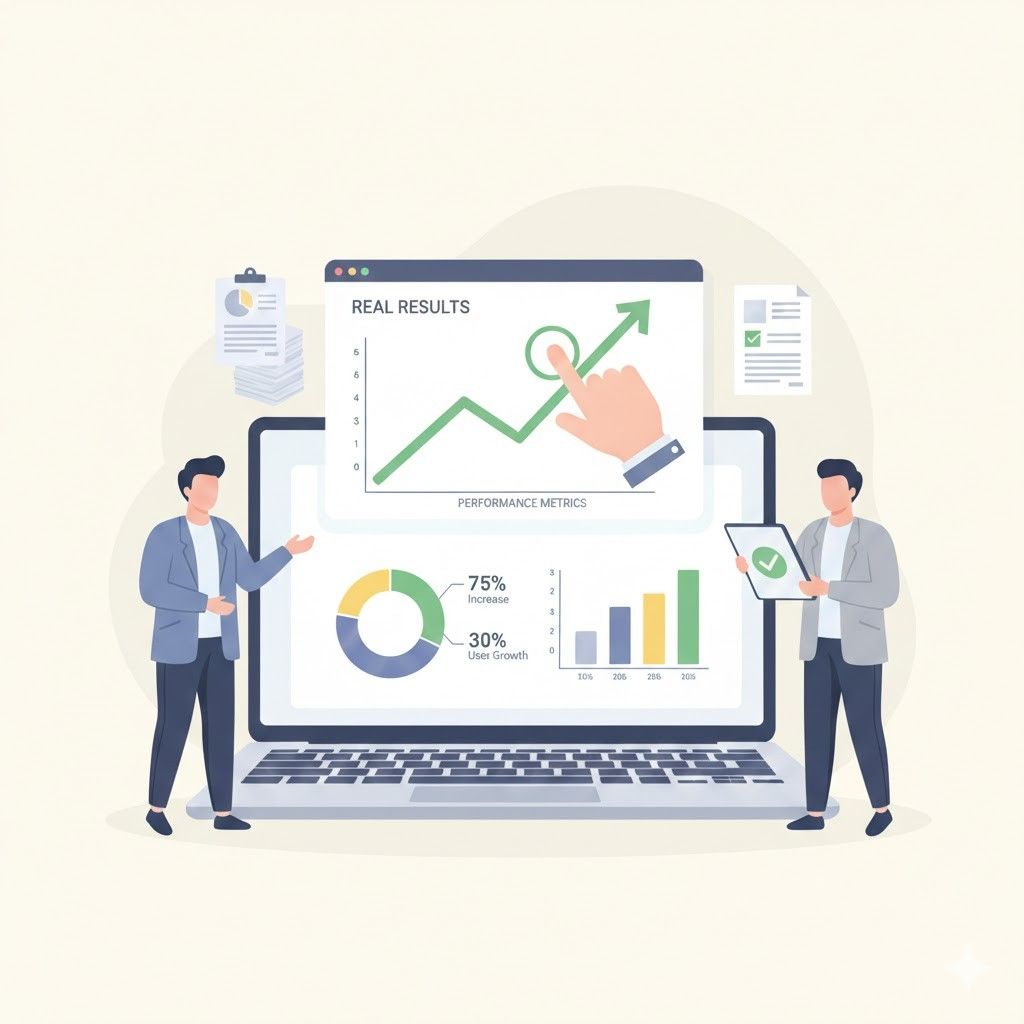
Show Real Results and Honest Work
Customers in 2026 are smart. They check reviews. They compare brands.
Do not make fake promises.
Do not copy competitors blindly.
Do not exaggerate.
Be honest about what you offer.
Honesty builds long-term success.
Manage Your Budget Properly
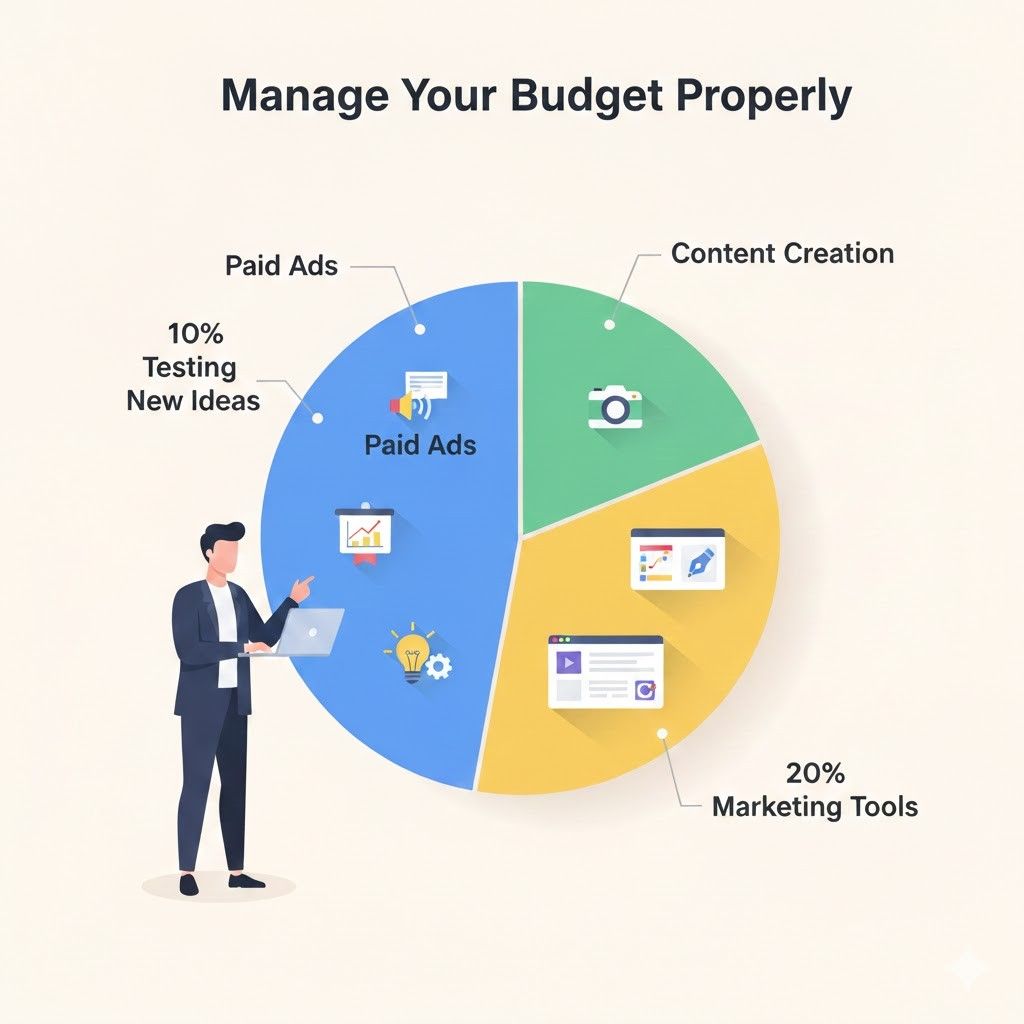
Here is a simple budget idea:
- 40% for paid ads
- 30% for content creation
- 20% for tools
- 10% for testing new ideas
Adjust based on results.
If ads are working well, increase ad budget.
If organic content is bringing leads, invest more in content. Let performance guide your decisions.
Work on Your Brand Identity
Your business should look and sound consistent.
Use:
- Same colors
- Same logo
- Same tone of voice
Decide your style:
- Friendly?
- Professional?
- Direct?
When your branding is clear, people recognize you easily.

Handle Negative Feedback Calmly
Negative comments can happen.
Do not panic.
Do not argue publicly.
Reply politely.
Acknowledge the issue.
Offer a solution.
How you handle criticism shows your professionalism.

Review and Improve Every Month
At the end of each month, ask:
- Did we reach our goal?
- Which posts performed best?
- Which ads gave the best results?
- What should we improve?
Small improvements every month create big growth over time.
Final Conclusion
A social media marketing plan for small business 2026 does not need to be complicated.
(1)
Clear goals
Clear goals give direction, measure progress clearly, and keep your social media efforts focused on real growth.
(2)
Right platform
Choosing the right platform ensures your content reaches the correct audience instead of wasting time everywhere.
(3)
Useful content
Useful content solves problems, builds trust, attracts attention naturally, and encourages people to follow and engage.
(4)
Short videos
Short videos capture attention quickly, deliver value fast, and increase reach across modern social media platforms.
(5)
Regular tracking
Regular tracking helps you understand performance, fix mistakes early, and improve strategy using real data.
(6)
Consistency
Consistency builds trust over time, strengthens brand recognition, and creates steady growth instead of temporary results.
Creating a successful social media marketing plan for a small business in 2026 requires consistency and the right strategy. If you want faster results, consider working with Vayam Digital to grow your business online.
FAQ
What is a social media marketing plan for small business 2026?
It is a strategy to use social media for business growth. It helps small businesses get leads, increase sales, and build an online presence.
Which platform is best for small businesses in 2026?
The best platform depends on your audience. Instagram and Facebook are good for local businesses, while LinkedIn works better for B2B services.
How often should I post on social media?
Posting 3–4 times per week is ideal. It keeps your audience engaged without reducing the quality of your content.
What type of content works best in 2026?
Short videos, educational posts, and customer proof work best. These types of content attract attention and build trust.
Do small businesses need paid ads?
Yes, paid ads help you reach targeted people faster. They also increase leads and improve overall business growth.
How long does it take to see results?
You can see results in 1–3 months. This depends on your consistency, content quality, and strategy.
How can I measure social media performance?
Track engagement, clicks, leads, and follower growth. These metrics help you understand what is working and what is not.
Is social media marketing expensive?
No, you can start with a small budget. Even low investment can give good results if used properly.
Can I manage social media marketing alone?
Yes, you can manage it yourself. With a simple plan and basic tools, small business owners can handle it easily.
Leave a Reply